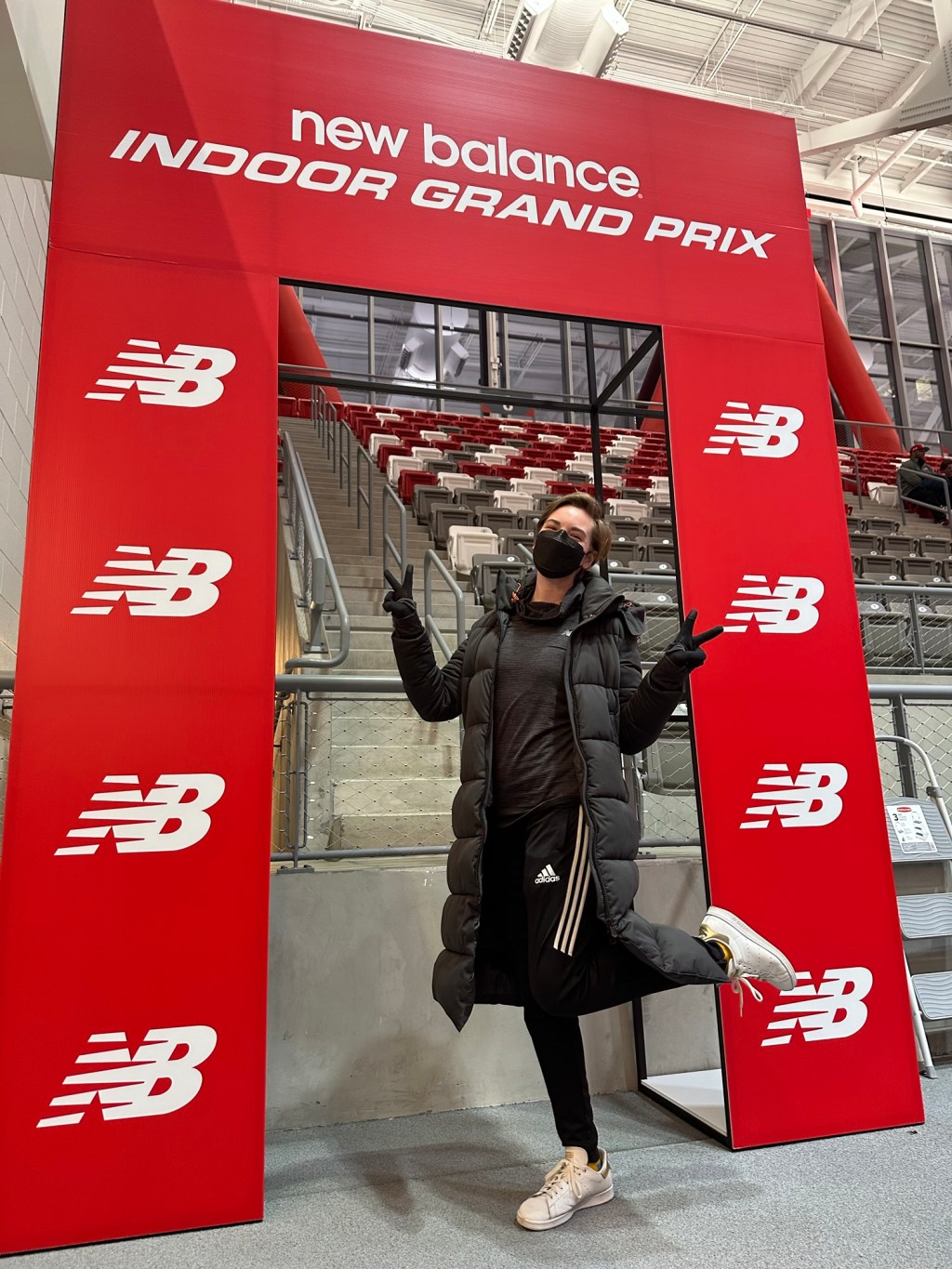
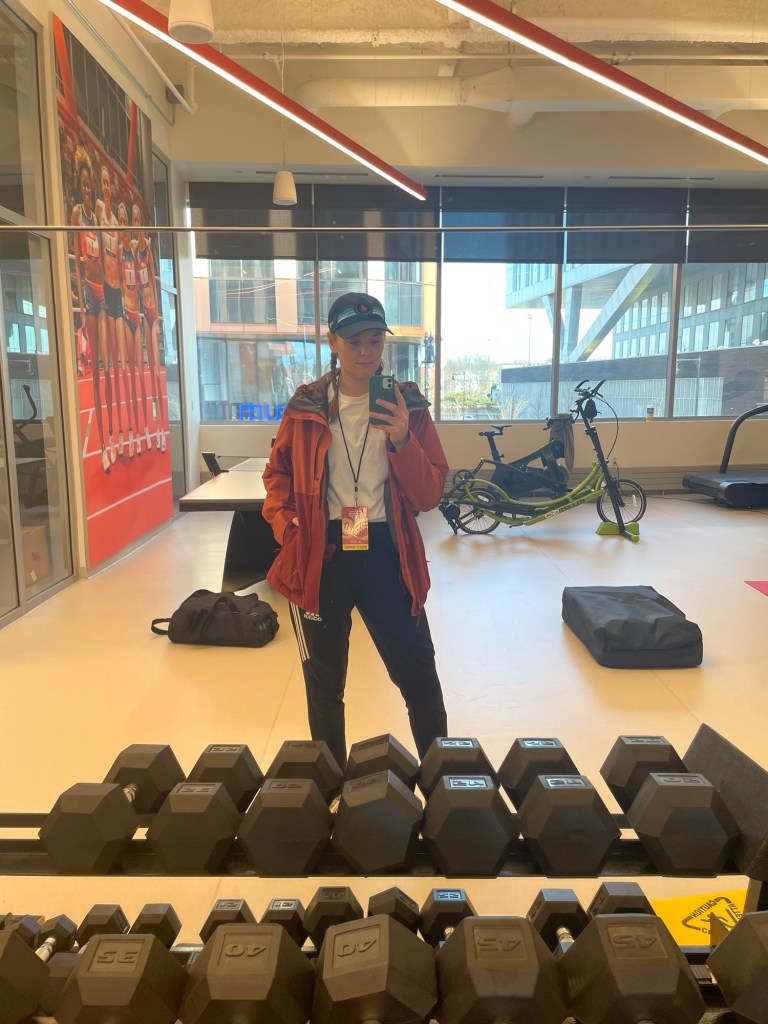
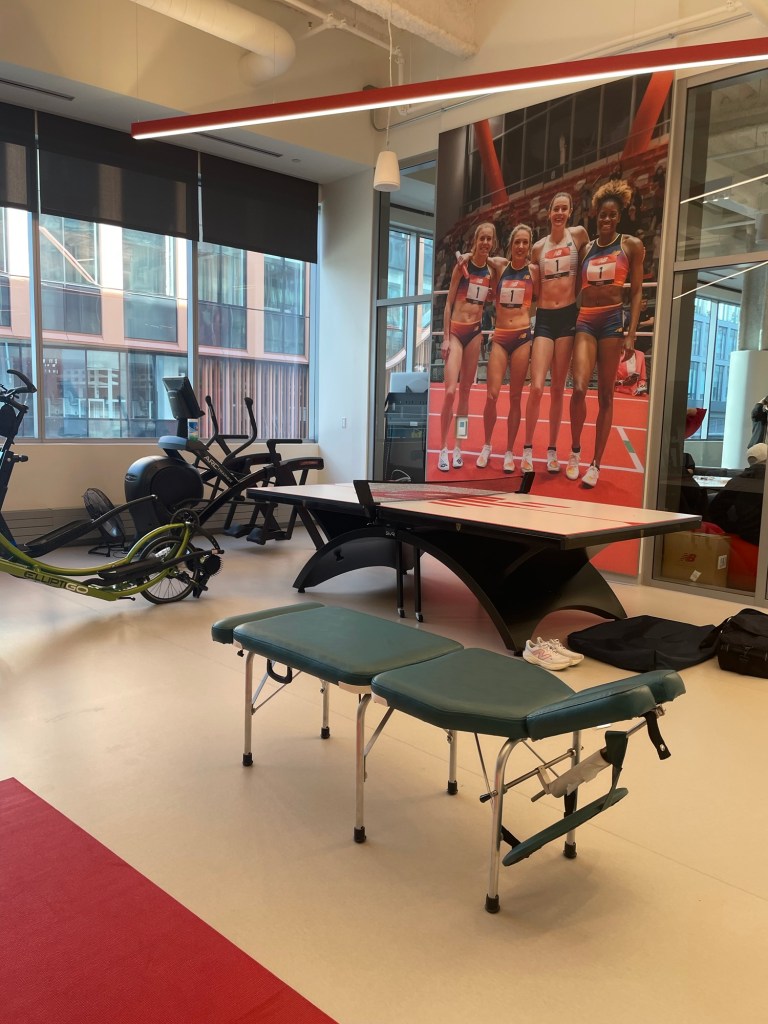
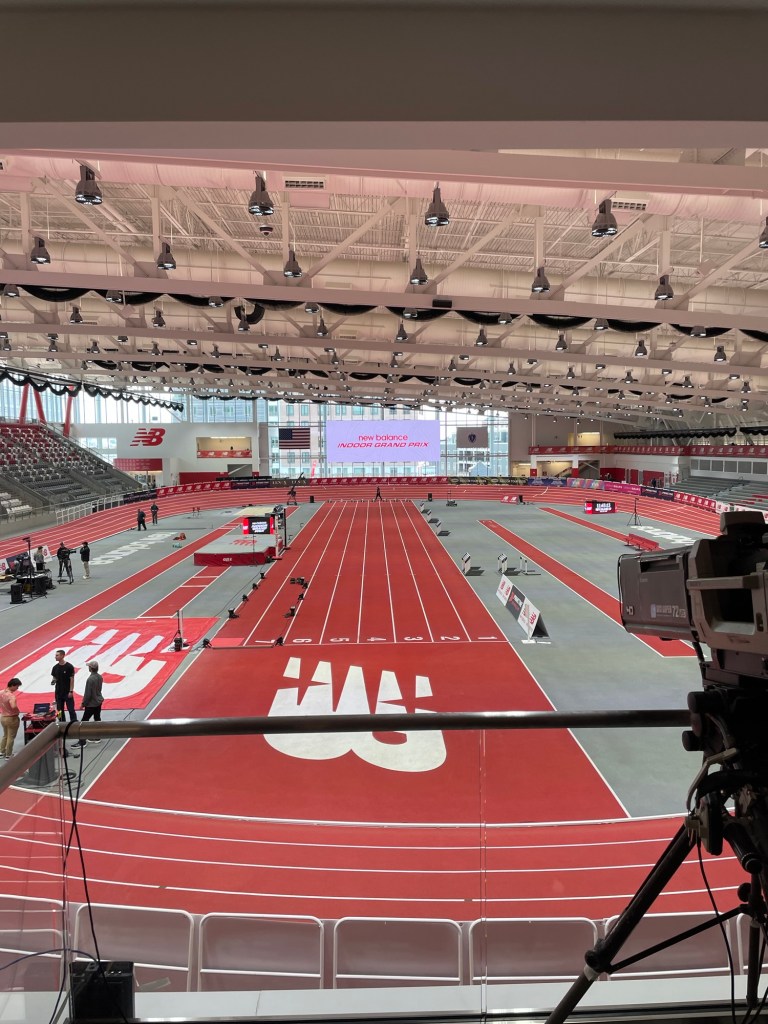
Every winter for the past 10 years, I’ve had the privilege of serving as an on-site chiropractor for the New Balance Indoor Grand Prix, one of the premier indoor track and field events in the country, held right here in Boston at the New Balance Indoor Track Stadium. Working alongside USA Track & Field staff on some of the worlds top sprinters, distance runners, and field athletes has shaped how I think about recovery, injury prevention, and what real evidence-based care looks like under pressure.
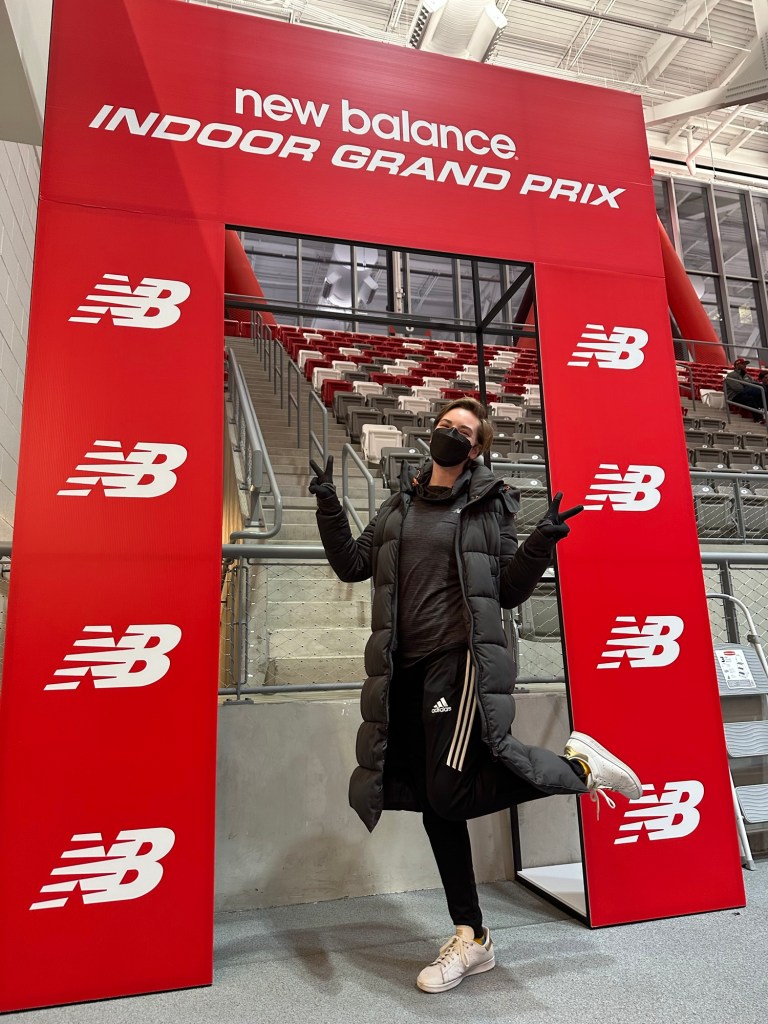
What On-Site Care at an Elite Meet Actually Looks Like
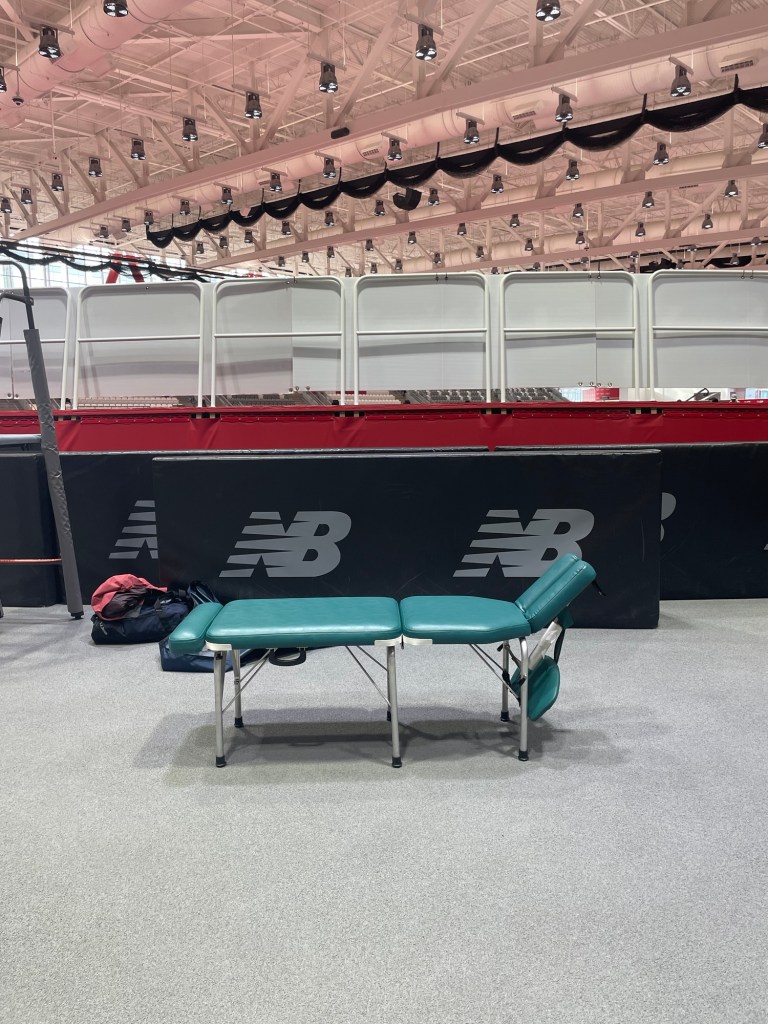
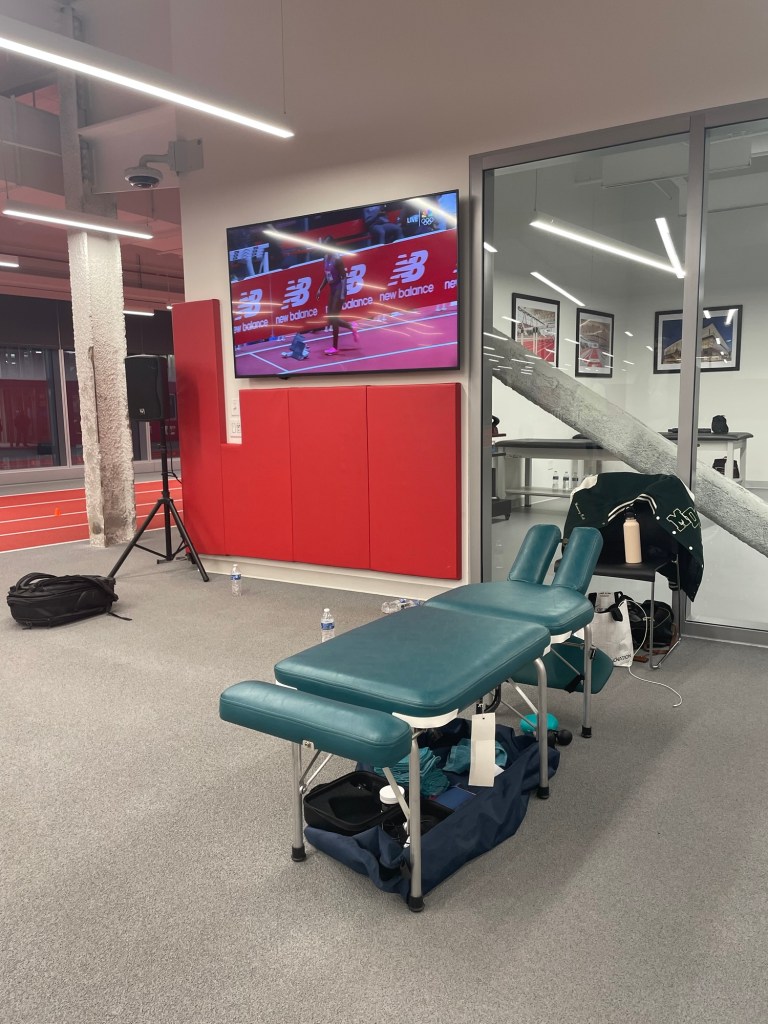
My day starts the day before I see any clients at all, preparing my gear, fueling my own body with nutritious meals, and communicating with event organizers and coaches about last minute schedule changes. I’ll be carrying my 26 lb portable chiropractic table and all my gear from the hotel to the track and back for a few days before the actual event.
Once it’s race day, there’s no more room for guesswork. Athletes come in from all over the world days to hours before competing, often with travel related stiffness or a minor concern they would like to address before hitting the track. The job is fast. Precise assessment then targeted, efficient treatment: adjusting, soft tissue work, and movement cues that won’t leave an athlete sore or sluggish before they compete.
During the race I am following up with my athletes, providing leg flush out treatments or muscle activations, helping runners apply tiger balm and kinesiology tape, assessing any race-related complaints, and giving the occasional restaurant recommendation for a post event celebratory meal. After catching a couple races and a final base touch with my colleagues it’s time to pack up and start my own post event recovery routine.
Three Things Every Patient Can Learn From Elite Athlete Care
1. Recovery is proactive, not reactive. Pro athletes with good coaches don’t wait for pain to become a problem, they build recovery into their training cycle. The same principle applies whether you’re training for a marathon or just sitting at a desk eight hours a day: regular maintenance care prevents small issues from becoming chronic ones.
2. Assessment matters more than the adjustment. The actual hands-on work only makes sense once you understand where the problem started. A hamstring issue at the meet might trace back to a hip that hasn’t been moving well. The same logic applies to a desk worker’s neck pain, which often traces back to thoracic mobility or shoulder stability, not just the neck itself.
3. Movement is medicine. Elite athletes don’t rely on adjustments alone, they use specific mobility work and rehab strength work designed to reinforce their treatments. That’s the same movement-focused rehabilitation approach used at Bell Chiropractic Boston for every patient, athlete or not.
Bringing Elite-Level Care to Back Bay
You don’t have to be a professional athlete to get this level of attention. At Bell Chiropractic Boston, every patient gets the same thorough assessment, hands-on adjusting, and movement-based recovery plan I bring to the track. Whether you’re dealing with a sports injury, chronic back pain, or the effects of sitting at a desk all day.
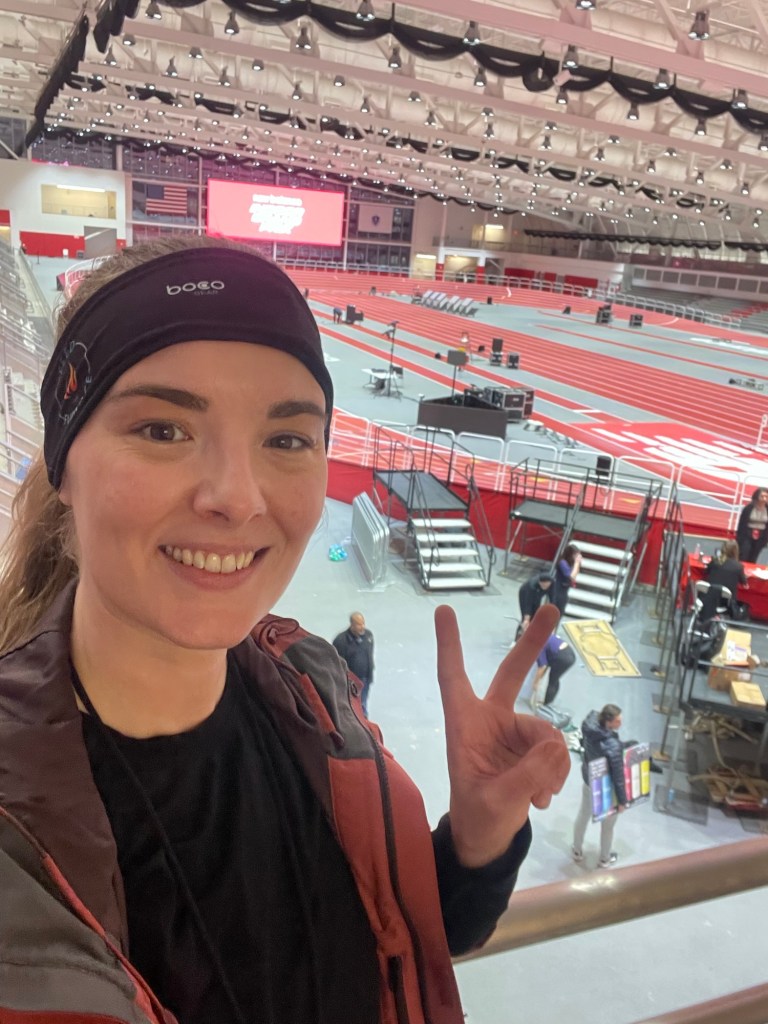
If you’re in Boston and looking for chiropractic care built on real athletic performance standards, book a same-day appointment at our Newbury Street office.

 Same Day Availability Sports Chiropractor in Back Bay
Leave a comment